When Kids Are Out of Sight: Simple Safety Habits Every Parent Should Build
Every parent knows the feeling. When your child goes to school, when they go to the house of their friend, or when you are working yourself, that child goes outside and closes the door behind them. They are out of your sight, yet not out of your mind.

Parenting does not end as soon as children move out in the modern world. Scheduling, screen time, and becoming more independent represent a fresh challenge to the parents: how to keep children safe and avoid following them everywhere and in everything they do.
It is not fear or repeated inspections. It’s creating basic, regular safety routines- backed with trust and communication, and intelligent technologies such as AirDroid Parental Control.
Understanding Today’s Safety Risks for Kids
Children are currently living in two realms simultaneously: real and virtual. Each of them has some risks that parents cannot disregard.
The physical risks involve travelling to work alone, after school without supervision, or working in new environments. The digital risks include viewing improper materials, online predators, cyber-bullying, or poor screen time. This is one of the emotional risks that can happen when children are alone, when they are stressed, or when they do not know how to request support.
It is not meant to remove the risk, but rather about equipping children and their parents to manage it effectively, that is, without being scared or taken aback by it.
Simple Safety Habits Every Parent Should Build
Simple safety habits don’t require constant monitoring or strict control. They are small, everyday practices that help children stay protected while giving parents confidence—especially when kids are out of sight.
1. Building a Culture of Open Communication
Safety begins with conversation. Kids who feel heard are far more likely to share concerns before they become problems.
Encourage daily check-ins. Instead of asking, “Did anything bad happen?”, try:
* “What was the best part of your day?”
* “Did anything feel confusing or uncomfortable?”
Kids become open when they realize they are not being judged and punished immediately. This trust is what forms the basis of all other safety habits that you develop.
2. Setting Clear Safety Rules That Grow With Your Child
A definite safety regulation provides children with a framework to structure, and leave independence to evolve freely. The routines, duties, and surroundings of kids evolve as they develop. Rules ought to change with them to provide guidance but not restriction. Children become sure that they are trusted, supported and more willing to make safe choices independently when expectations are clear and age-appropriate.

For younger kids, rules may include:
* Always telling a parent where they’re going
* Answering calls or messages within a set time
For teens, rules evolve:
* Sharing location during outings
* Boundaries around social media and apps
The key is flexibility. As kids show responsibility, rules should adapt—reinforcing trust instead of control.
3. Staying Connected Without Hovering
Calling all the time or sending texts can be overwhelming to children and tiresome to parents. Being in touch with them does not mean to interfere with their autonomy.
This is where AirDroid Parental Control fits naturally into daily routines, helping parents stay informed while respecting growing independence.
When utilised wisely, these tools become reassuring but do not infringe upon daily liberty.
4. Knowing Where Your Child Is - Without Micromanaging
When there is awareness of where your child is, it brings relief without interruptions now and then. It enables the parents to always be ready in case of emergencies, change of plans, or delays, without necessarily violating the developing independence of the child. Location awareness is not control based - it is about being aware of where you can find help when you need it.
Knowing where your child is:
* Helps during emergencies
* Prevents panic when plans change
* Encourages accountability
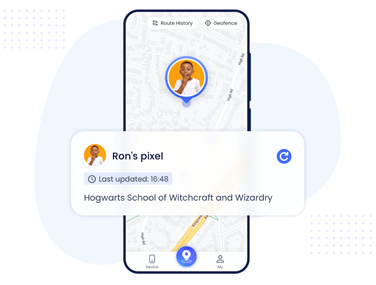
With Locate Your Family Anytime, parents can see where you are without having to ask each and every minute, where are you?
It is not a matter of spying on people, but of readiness. When the children understand that someone can assist in case of an emergency, they are also safe.
5. Monitoring Digital Life the Right Way
Children spend a significant part of their day online, often beyond a parent’s direct view. Monitoring digital activity helps parents understand risks early, guide safer online behavior, and start meaningful conversations. When done transparently, digital monitoring supports learning and protection rather than creating fear or mistrust.
Unfiltered internet access exposes children to:
* Explicit content
* Harmful challenges
* Strangers with bad intentions
This is where Airdroid Content Monitoring helps. Using this allows parents to stay aware of what kids are accessing—without reading every message or invading private conversations.
When used as a teaching tool rather than punishment, monitoring becomes guidance. Parents can step in early, explain risks, and help kids make better digital choices.
6. Safety at Home When You’re Not There
Being home alone can feel empowering for kids and stressful for parents. Clear routines, emergency awareness, and responsible behavior matter most during these moments. Having the ability to discreetly check in helps parents ensure everything is okay without disrupting a child’s sense of independence or confidence.
Important habits include:
* Knowing emergency contacts
* Not opening doors to strangers
* Avoiding risky activities
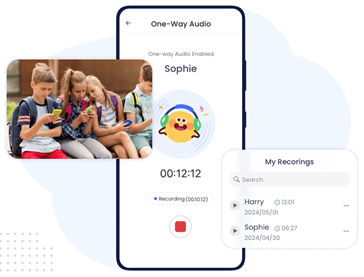
Tools like Remote Camera & Ambient Recording allow parents to check in visually or listen if something seems off—providing peace of mind when kids are home alone.
7. Teaching Kids Self-Safety Skills
Technology supports safety, but children also need personal awareness and confidence. Teaching self-safety skills helps kids recognise danger, set boundaries, and respond calmly under pressure. These skills empower children to protect themselves even when adults or tools aren’t immediately available.
Teach children to:
* Trust their instincts
* Say no confidently
* Seek help immediately when uncomfortable
Role-playing real-life situations can help kids react calmly instead of freezing under pressure.
Technology as a Safety Partner, Not a Substitute for Parenting
Technology should support parenting, not replace it. When children are out of sight, parents don’t need constant surveillance—they need clarity, reassurance, and the ability to step in only when it truly matters. Used the right way, parental control tools become a quiet safety layer that complements trust and communication.
AirDroid Parental Control helps parents stay balanced by offering support where it’s needed most:
* Content monitoring helps parents spot risky or inappropriate material early, making guidance timely and constructive.
* Location tracking provides peace of mind during commutes, outings, or after-school hours without repeated check-ins.
* Remote camera access allows parents to visually confirm safety during uncertain moments, especially when children are home alone.
* One-way audio and ambient recording offer discreet awareness in emergencies or when a child cannot respond immediately.
* Alerts and notifications keep parents informed of changes without demanding constant attention.
What makes this approach effective is intention. Parents remain present without hovering, informed without controlling. Children gain space to explore and grow, knowing support is always close if needed. In this way, technology becomes a reliable partner—one that reinforces independence while protecting what matters most.
Building Safety That Grows With Your Child
When kids are out of sight, safety doesn’t come from constant worry or strict control. It comes from preparation, trust, and everyday habits that evolve as children grow. Open communication, clear boundaries, situational awareness, and age-appropriate independence all work together to create a strong foundation.
By combining these habits with supportive tools like AirDroid Parental Control, parents can stay connected without hovering and protective without restricting. The goal is not to watch every step—but to ensure children feel confident, supported, and safe wherever they go. Because true safety isn’t about control. It’s about confidence—for parents and kids alike.