When Can Baby Sit in Stroller? A Simple Safety Guide for Every Stage
One of the real gains of early child-rearing is getting out into open air and sun. But almost immediately some question comes up: when can baby sit in stroller safely?
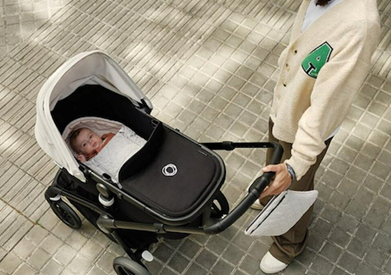
The brief answer to this is that most infants are ready for a stroller seat at about 6 months of age, but the real indicator is steady head and neck control, not just how many months they have lived. Many parents begin earlier with a bassinet stroller, fully flat recline, or travel system.
The design of the stroller for newborn matters far more than your baby's 6th-month milestone. As a general guideline the safest option is one which keeps your infant reclined flat or fully supported through those first few weeks.
This safety guide will tell you exactly when to transfer around, what signs to look for, how to keep baby safe at each stage in your stroller.
When Can a Baby Sit in a Stroller? The Short Answer
Most babies can safely sit in a stroller seat in a more upright position at about 6 months old. That is when many babies have enough neck and upper body strength to stay stable during walks.
However, there is no perfect “birthday rule.”
Some babies are ready a little sooner in a reclined seat. Others need more time. What matters most is whether your baby can:
* Hold their head steady
* Stay upright without slumping
* Tolerate gentle movement
* Remain comfortable in the harness
So, when asking when can baby sit in stroller, always focus on development first.
Newborn Stage: What Type of Stroller Is Safe
For newborns, an upright stroller seat is usually not safe yet because they cannot support their head and neck.
The safest choices include:
* Bassinet stroller mode that keeps baby flat
* Fully reclining stroller seat approved from birth
* Travel system with infant car seat
* A reliable stroller for newborn with newborn insert support
A flat position helps keep the airway open and protects the baby’s spine and neck.
This is why many parents begin with a stroller for newborn instead of moving right into a standard toddler-style seat.
Head and Neck Control: The Real Milestone to Watch
The most important milestone is not age. It is strong head and neck control.
Your baby may be ready when they can:
* Hold their head upright without wobbling
* Turn their head smoothly
* Sit with support without folding forward
* Stay stable during small bumps
This often starts around 4 to 6 months, while full stroller-seat readiness is more common closer to 6 months.
A simple way to check is during tummy time or when holding your baby upright. If the head still drops forward, keep using your stroller for newborn in a flat or bassinet setup.
Recline Positions and Why They Matter
Recline settings are one of the most useful stroller safety features.
They help bridge the gap between the newborn stage and the upright seat stage.
Here is a simple guide:
Baby Stage - Best Seat Position - Why It Matters
* 0-3 months - Fully flat - Best airway and spine support
* 3-5 months 0 Deep recline - Supports growing neck strength
* 6+ months - Semi-upright to upright - Better view once baby is stable
A gradual recline adjustment lets your baby enjoy the view without putting too much pressure on their neck or back.
This is another reason a flexible stroller for newborn is so useful long-term.
When It’s Safe to Use an Upright Seat
A fully upright stroller seat is usually safe once your baby can:
* Sit with little support
* Keep their back straight
* Stay centered in the harness
* Handle turns and bumps without head bobbing
For most babies, this happens around 6 months or slightly later.
Even then, start with short smooth walks first.
Try:
* Flat sidewalks
* Short park paths
* Indoor mall walks
Watch closely for slumping or tired posture. If your baby leans too much, go back to a reclined position on your stroller for newborn.
Travel Systems vs. Convertible Strollers
Both options work well, but they serve different stages.
Travel systems
These include an infant car seat that clicks into the stroller frame.
Best for:
* Birth onward
* Quick car-to-stroller transfers
* Sleeping newborns
Convertible strollers
These can shift from bassinet or flat recline to upright toddler seating.
Best for:
* Long-term use
* Fewer gear changes
* One stroller for newborn through toddler years
For many Momcozy-style family needs, convertible options are especially practical because they grow with your child without needing separate gear.
Signs Your Baby Isn’t Ready Yet
Sometimes the stroller seat switch is simply too early.
Watch for these signs:
* Head falls forward
* Baby slides sideways
* Back rounds too much
* Baby seems tired after a few minutes
* Chin rests on chest
* Frequent fussing in seated mode
These signs usually mean your baby still needs a flatter seat angle.
If that happens, keep using the stroller for newborn in bassinet or full recline mode for a little longer.
A few extra weeks can make a big difference.
Safety Tips for Every Stroller Stage
No matter your baby’s age, stroller safety should stay consistent.
Here are the most important tips:
* Always use the 5-point harness
* Lock brakes before placing baby inside
* Avoid hanging heavy bags on the handle
* Check weight and age limits in the manual
* Keep baby shaded but well ventilated
* Never leave baby unattended
* Use the correct recline for their stage
* Make sure your stroller for newborn is approved for birth use
Also, always follow the stroller brand’s manual because seat limits and recline rules can differ by model.
Conclusion
After all, when can baby sit in stroller safely?
For most babies, the move to a more upright seat happens at around 6 months, once head, neck, and core control are strong enough. Until then, the safest choice is bassinet, deep recline, or travel system.
A well-designed stroller for your newborn makes each step simpler to achieve because it supports him from those first sleepy strolls on up through terrific toddler strolls.
The main thing is simple: take your time over the milestone. Look at your baby’s shape, get the right recline and allow the stroller to grow up with them. That way, every walk remains safe, comfy and pleasant for both.