What Parents Should Know About Modern Dental Production
Modern dental production has changed how dental care is delivered, especially for children. Behind the scenes, advanced technology now plays a major role in creating crowns, retainers, aligners, and other dental appliances. For parents, understanding how these processes work can provide reassurance about the quality, safety, and long-term outcomes for their child’s oral health.
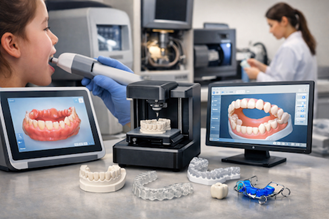
Today’s dental production focuses on precision, comfort, and efficiency. Instead of relying solely on traditional moulds and manual techniques, many dental practices collaborate with digital laboratories that use cutting-edge tools to produce highly accurate restorations designed specifically for each patient.
How Digital Technology Improves Accuracy
One of the biggest shifts in dental production is the use of digital scanning. Rather than uncomfortable physical impressions, dentists can now capture detailed 3D images of a child’s teeth. These scans reduce errors, improve fit, and help minimise the need for adjustments later on.
Digital designs also allow technicians to plan restorations more carefully before anything is manufactured. This results in appliances that feel more natural in the mouth, which is particularly important for children who may be sensitive to discomfort or changes in how their teeth feel.
Safety and Materials Parents Should Know About
Parents often wonder whether modern dental materials are safe for children. Today’s dental production uses materials that are tested for durability, biocompatibility, and comfort. Common options include high-quality ceramics and specialised dental resins that are designed to withstand daily wear while remaining gentle on surrounding teeth and gums.
Modern production methods also reduce the risk of contamination. Digital workflows limit how often physical materials are handled, supporting better hygiene and consistency throughout the manufacturing process.
Faster Turnaround Times and Fewer Appointments
Another benefit of modern dental production is speed. Traditional methods could take weeks to complete a dental appliance, often requiring multiple visits. With digital workflows, production times are shorter, meaning children spend less time waiting and parents spend less time juggling appointments.
This efficiency can be especially helpful for families with busy schedules or children who feel anxious about dental visits. Fewer appointments often translate to a more positive overall experience.
Customisation for Growing Smiles
Children’s mouths are constantly changing, which makes customisation essential. Modern dental production allows appliances to be tailored precisely to a child’s current dental structure while also accounting for growth and development.
Laboratories that specialise in digital dentistry, such as an advanced dental laboratory from godigital-dental.com, focus on creating solutions that fit accurately and support long-term oral health. This level of customisation helps ensure that treatments remain effective as a child grows.
What Parents Can Ask Their Dentist
Parents don’t need to understand every technical detail, but asking the right questions can help. It’s reasonable to ask whether digital scans are used, what materials are recommended for children, and how dental appliances are produced. Understanding the process can build trust and confidence in the treatment plan.
It’s also helpful to ask how long appliances are expected to last and whether adjustments will be needed as a child’s teeth develop.
Why Modern Dental Production Matters
Modern dental production is about more than technology; it’s about improving care. Better accuracy, safer materials, faster results, and personalized solutions all contribute to better outcomes for children. For parents, knowing how these systems work can make dental decisions feel less overwhelming and more informed.
As dental technology continues to advance, parents can feel reassured that modern production methods are designed with comfort, safety, and long-term oral health in mind.