Signs Your Toddler May Need Support with Bite or Jaw Development
Bite and jaw development can vary during toddlerhood, and some children may show patterns that catch a parent’s eye. While many differences are part of normal growth, certain signs could suggest that extra attention might benefit your child’s oral health. Knowing what to watch for at home can help you support healthy jaws and teeth from the start.
Early childhood marks a time of significant changes as little ones grow, and their faces and mouths develop rapidly during these years. Most children experience temporary shifts in how their teeth look and function, but ongoing patterns in bite or jaw movement may suggest there could be something to monitor. Paying attention to how your child chews, speaks, and breathes can provide helpful clues about their development. Discussions of braces in London often highlight the importance of parents being able to recognise the difference between normal development and signs that may need a professional opinion. By being aware of these signs early, you can help your child feel more comfortable and confident as their smile develops, but only a dental professional can give an accurate assessment.
Understanding bite and jaw changes in toddlers
In young children, “bite” means how the top and bottom teeth meet when their jaws close, affecting both function and appearance. Jaw development refers to how the upper and lower jaws grow, shaping the face and helping to create adequate space for baby teeth and, later, adult teeth. Changes in these areas during the toddler years are typical, as growth can be uneven or unpredictable. Many children go through shifting bite patterns while their mouths adjust to new teeth emerging and jaws expanding. When a bite consistently appears uneven or a jaw moves to one side over time, this could signal something worth checking with a professional.
A well-developed bite supports clear speech, efficient chewing, and healthy facial growth. Baby teeth are important as they hold space for adult teeth and help guide their position. Crowded baby teeth or very large gaps might influence how teeth align in the future. Understanding the difference between changes that are temporary and those that persist can offer insight into your child’s dental health. Proper jaw and bite function support a child’s comfort and ability to eat and communicate as they grow.
Contributors to early bite and jaw issues
Parents often first notice subtle signs of bite or jaw differences during everyday routines. For example, if your child chews on only one side or has difficulty biting into soft foods, it could be a sign of a challenge with jaw function. Open-mouth resting or lips that do not close comfortably may suggest the jaws are not aligning as expected. Some toddlers breathe mostly through their mouths or keep their lips apart, which could be associated with changes in jaw growth. If your child often struggles to form certain speech sounds, this may relate to how their teeth or jaws line up, although many speech differences improve with time. When your child opens or closes their mouth, watch for jaw movement to one side, any clicking, or expressions of discomfort, as these can be helpful clues to discuss with a dentist. Tooth position is also a consideration; crowded teeth, large gaps, front teeth that do not meet, or teeth that seem to sit behind others can all be indicators to observe.
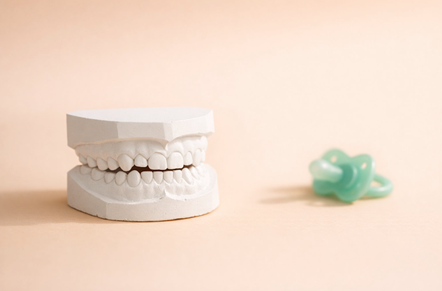
Some common habits or circumstances can influence bite and jaw development in young children. Prolonged use of dummies (pacifiers), thumb or finger sucking, and similar comfort habits may affect how jaws and teeth grow. While these are natural stages for many, if they continue beyond early toddlerhood, they may start to change the way the bite fits or how baby teeth are aligned. Losing baby teeth early due to decay or injury can sometimes cause other teeth to shift, leading to changes in spacing. The length of time these habits last and how strongly a child relies on them can both play a part in shaping the jaw as it grows.
How to tell what may need monitoring
Family history can influence bite and jaw development in children. Genetics play a role in jaw size, facial patterns, and the chance of certain bite types. Some children are naturally more likely to develop crowded teeth or gaps, even if they do not have common oral habits. Environmental factors like allergies and long-lasting nasal congestion may be involved, since children who find it hard to breathe through their nose often begin mouth breathing, which can influence facial and jaw growth. In these cases, a dentist in Nottingham can help you understand any underlying reasons and talk with you about what steps, if any, are needed for your child’s care.
It is not always easy for parents to tell which bite or jaw patterns are likely to resolve with time and which might need to be checked. Many toddlers have gaps between their teeth as jaws grow or slight unevenness during growth spurts; these are often part of normal development and improve as children get older and habits change. However, ongoing mouth breathing, continued trouble chewing or speaking clearly, or a jaw that always shifts to one side may suggest a longer-lasting concern. Patterns that do not change well into the preschool years are less likely to improve on their own and can affect eating, speaking, or confidence. Noticing when something stays the same over time allows parents to seek advice and offer support for their child’s oral development as needed.
Gentle steps to nurture healthy development
If you have concerns, gentle support at home can encourage positive jaw and bite growth while keeping daily routines low-stress. Helping toddlers gradually reduce thumb sucking or dummy use before they start school can promote healthy development. Non-punitive methods, such as offering different comforts or routines that do not focus on sucking, tend to be most effective and keep things positive. Maintaining dental-friendly routines, like brushing regularly with a suitable toothpaste and limiting sugary snacks, helps protect baby teeth and keeps enough space for adult teeth to come through.
Encouraging your child to breathe through their nose, if possible, is also beneficial for jaw growth, especially if they often have a blocked nose. If allergies or stuffy noses persist, you may want to mention this to your child’s healthcare provider, as early management can make a difference. Regular dental check-ups offer a way for professionals to observe jaw development and answer your questions. Calm, attentive monitoring by parents is valuable; noticing patterns in chewing, speaking, or how your child’s mouth rests means you can help them comfortably as they grow. Staying informed and observant supports your child’s bite and jaw development, giving them a strong start at every stage.