Nap Times, Mealtimes and Routines: Managing a Toddler on a Cruise
Travelling with a toddler often feels like planning around a series of non-negotiables. Nap times, regular meals and familiar routines can shape every part of the day, and when these fall apart, everything else tends to follow. While holidays are meant to be relaxing, travelling with a young child can quickly become stressful if daily rhythms are disrupted. For this reason, many parents start looking into family cruises as a way to travel while still keeping some structure in place.
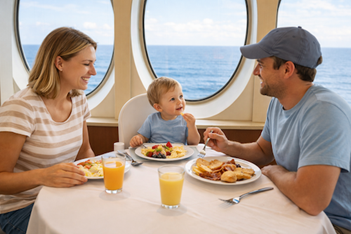
Although cruising involves visiting new destinations, life on board can be surprisingly consistent. This stability can be reassuring for toddlers and practical for parents who want to maintain routines while away from home.
Why Routine Matters So Much for Toddlers
Toddlers rely heavily on predictability. Familiar patterns help them feel safe and understand what comes next, especially in unfamiliar surroundings. Changes to sleep schedules, meal times or daily activities can lead to overtiredness, irritability and disrupted nights.
Traditional holidays often involve frequent changes of location, irregular meal times and long travel days. Cruises reduce much of this upheaval by keeping accommodation, dining areas and facilities in one place. This consistency allows parents to recreate elements of their child’s usual routine more easily, even while travelling.
Managing Nap Times on Board
Nap times are often the biggest concern for parents planning a holiday. One advantage of cruising is that cabins remain accessible throughout the day, making it easier to return for naps without needing to coordinate around hotel check-ins or travel schedules.
Many parents find it helpful to:
* Plan shore visits either before or after nap times
* Use sea days for longer or more flexible naps
* Bring familiar sleep items such as a favourite blanket or comfort toy
Because the cabin stays the same throughout the trip, toddlers often settle more quickly after the first day or two. The familiar layout and smells can help signal sleep, even in a new environment. Some children also find the gentle movement of the ship soothing, although this varies.
Keeping Mealtimes Calm and Familiar
Mealtimes can be another source of anxiety when travelling with a toddler, particularly if food options or timings are unpredictable. Cruise dining tends to follow regular schedules, which can make it easier to keep meals consistent from day to day.
Parents often benefit from:
* Eating at similar times each day
* Returning to the same dining venue to build familiarity
* Having snacks available to bridge gaps between meals
While trying new foods can be part of the experience, having access to simple and familiar options helps keep mealtimes relaxed. Sitting in the same place and seeing familiar faces can also make toddlers more comfortable, reducing fussiness and refusals.
Creating a Daily Rhythm on Board
Cruise days often follow a natural rhythm that suits young children. Mornings can be used for gentle activities or short outings, followed by naps or quiet time, with more exploration later in the day if energy allows. Sea days in particular offer a slower pace, with fewer time pressures.
Rather than planning multiple activities in one day, many parents find it works better to focus on one main outing or activity. This leaves room for rest, play and flexibility if plans need to change due to tiredness or mood.
Balancing Shore Visits with Rest
While visiting new places is one of the highlights of cruising, toddlers rarely cope well with full-day excursions. Cruises make it easier to dip in and out of destinations without committing to long, tiring days.
Short walks, playground visits or a brief look around a town can be enough stimulation for a toddler. Parents can then return to the ship for lunch or naps, avoiding the build-up of exhaustion that often comes with traditional sightseeing days.
Making the Cabin Feel Like Home
Returning to the same cabin each evening helps toddlers feel grounded, even as surroundings outside change. Over time, the cabin becomes a familiar space for sleeping, playing and winding down.
Parents often recreate parts of their home routine by:
* Following the same bedtime sequence each night
* Using soft lighting in the evenings
* Playing familiar music or white noise
These small details help signal bedtime and can make evenings feel calmer and more predictable.
Flexibility Without Losing Structure
One of the strengths of cruising with a toddler is the balance between structure and flexibility. While there is a daily schedule on board, parents are not required to follow it rigidly. Meals, naps and activities can be adapted depending on how a toddler is coping each day.
This flexibility allows families to adjust plans without feeling they are missing out. If a day needs to be quieter, it can be. If energy levels are higher, there is room to do more.
Final Thoughts
Travelling with a toddler does not mean abandoning routines entirely. Cruises offer an environment where familiar patterns can be maintained alongside new experiences. By providing one consistent base, predictable meal times and easy access to quiet spaces, they make it easier to manage nap times, mealtimes and daily rhythms.
For parents focused on keeping travel calm and manageable, this balance can make a significant difference to how enjoyable a holiday feels, both for toddlers and for the adults travelling with them.