How to Make Math Fun and Stress-Free for Toddlers
Many adults remember math as something difficult. Long worksheets. Red marks. Timed tests. But toddlers do not see numbers that way. For them, the world is new. Counting steps. Sorting toys. Comparing snack sizes. Math is already there, quietly living in everyday life.
The real question is simple: how to make learning numbers feel natural and stress-free for toddlers? The answer is not more pressure. It is less. It is play. It is a curiosity. It is patience.
Research shows that early math skills are one of the strongest predictors of later academic success. According to studies from the National Institute for Early Education Research, children who develop number sense before age five perform better not only in math, but also in reading. That is surprising to many parents. Numbers help language. Patterns help thinking. Structure helps confidence.
So let us explore how to make early math playful, relaxed, and joyful.
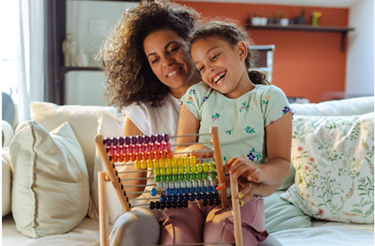
Why Toddlers Don’t Need “Lessons”
A toddler’s brain is growing at an incredible speed. By age three, about 80–90% of brain development has already occurred. That does not mean they need formal instruction. It means they learn best through experience.
Toddlers do not sit still for lectures. They move. They touch. They repeat. They test limits.
If learning feels forced, stress appears. And stress blocks curiosity.
To keep math stress-free for toddlers, remove the idea of “teaching.” Replace it with exploring. Instead of saying, “Let’s study numbers,” say, “How many apples do we have?” The tone changes everything.
Short moments work better than long sessions. Two minutes while putting on shoes. Thirty seconds during bath time. A quick question in the grocery store. When your child gets older and shows interest in more complex calculations, you can use math solvers to show them the step-by-step solution process. Math AI can instill a love of numbers, and it's very useful at any age.
Make Math Part of Daily Life
The easiest way to make math fun is to stop separating it from life.
Count stairs as you climb them.
Sort socks by color.
Compare who has the bigger slice of banana.
Toddlers love routines. Repetition builds confidence. When you count the same five toy cars every evening, something powerful happens. The child begins to predict. To anticipate. To feel capable.
You do not need special tools. Your home is already a math classroom.
Cooking is full of numbers. One spoon. Two cups. Three strawberries. Even simple phrases like “more,” “less,” “bigger,” and “smaller” build early mathematical thinking.
According to child development experts, children who regularly hear number-related language at home know up to 30% more number words by preschool age. Language matters.
Use Movement and Physical Play
Toddlers learn with their bodies.
Jump three times.
Clap twice.
Spin once.
Now math becomes action.
You can create simple games:
* Hop to number cards on the floor.
* Throw balls into a basket and count each throw.
* Build towers and compare heights.
Movement reduces stress. It also improves memory. Studies in early childhood education show that physical activity enhances cognitive processing. When the body moves, the brain connects.
If a child laughs while counting, you are doing it right.
Turn Mistakes into Discoveries
Fear of mistakes creates anxiety. Anxiety destroys joy.
When a toddler says “five” after counting three blocks, do not correct harshly. Instead, gently count together again. Smile. Slow down. Keep it light.
The goal at this age is not accuracy. It is comfortable.
To keep math stress-free for toddlers, create a safe emotional space. Praise effort, not results. Say:
* “You tried counting!”
* “I like how you lined them up.”
* “Let’s see what happens if we add one more.”
This language builds a growth mindset. And a growth mindset builds resilience.
Use Stories and Imagination
Stories make abstract ideas concrete.
Three bears in a house.
Five ducks in a pond.
Ten little fingers.
You can invent tiny math adventures:
“Two dinosaurs are walking. One more joins. How many now?”
Use stuffed animals. Use toy cars. Use crayons.
When math lives inside a story, it stops feeling like math. It becomes an imagination.
Picture books that include counting or patterns are powerful tools. Reading just 15 minutes a day significantly increases vocabulary exposure. Add numbers into that reading, and you multiply the benefit.
Keep It Short and Sweet
Toddlers have short attention spans. Very short.
Experts suggest that structured activities for two-year-olds should last no more than 3–5 minutes. After that, interest drops. Frustration rises.
So stop early. Even if things are going well. Leave them wanting more.
This is one of the simplest answers to how to make early learning enjoyable: end before boredom begins.
Let the Child Lead
Sometimes parents plan beautiful activities, and the toddler ignores them. That is normal. Watch what your child already enjoys. Cars? Count wheels. Animals? Count legs. Blocks? Build patterns.
When learning connects to personal interest, engagement increases dramatically. Motivation becomes internal.
You are not pushing. You are following.
And following often works better than leading.
Avoid Comparison
Every child develops at a different pace. Some recognize numbers at two. Others at four. Both are normal.
Comparing toddlers creates unnecessary pressure. Pressure creates stress. And we are trying to make math fun, not frightening.
Focus on progress, not perfection.
If last month your child could count to two and now can count to four, that is growth. Celebrate it quietly.
Use Simple Technology Carefully
Educational apps can support learning, but they should not replace real-world interaction. Experts recommend limiting screen time for children under five to about one hour per day of high-quality programming.
If you use digital tools, sit together. Talk about what you see. Count objects on the screen together.
Technology should support connection, not replace it.
Build Positive Emotional Associations
Emotion and memory are closely connected. If math moments are warm and playful, the brain links numbers with safety.
Smile while counting.
Laugh during mistakes.
Cheer small victories.
A relaxed parent creates a relaxed child. Children can sense tension immediately. If you feel frustrated, pause. Continue later. Remember: at this age, the goal is not mastery. It is comfortable.
Create a Calm Learning Environment
Noise, hunger, and tiredness increase stress.
Choose calm moments. After a snack. Before bedtime story. During quiet play.
Soft lighting. Gentle voice. Slow pace.
Sometimes whisper-counting makes toddlers giggle. And giggling lowers stress hormones.
Little details matter.
Repetition Without Pressure
Toddlers love repetition. The same book. The same song. The same counting game.
Repetition strengthens neural pathways. Each repeat builds confidence.
But repetition should feel chosen, not forced.
If a child says, “Again!” - that is perfect.
If they say, “No!” - respect it.
The Long-Term Impact
Children who feel safe exploring numbers are more likely to approach math with confidence later in school. According to educational research, early number sense at age four predicts math achievement at age fifteen.
That is a long timeline. It begins with counting cookies on a kitchen table.
When we focus on making learning stress-free for toddlers, we are not just teaching numbers. We are shaping attitudes.
And attitudes last.
Final Thoughts
Math does not have to be serious. It does not have to be structured. It does not have to look like school.
To make math fun, think small. Think playful. Think curious.
Count clouds.
Sort leaves.
Build towers.
Tell stories.
Ask questions more than you give answers.
The secret of how to make early math joyful is simple: remove pressure and add play.
When toddlers feel safe, they explore.
When they explore, they learn.
When they learn through laughter, they remember.
And that is where real education begins.