How 3D Puzzles Can Serve as a Relaxing Activity for Parents Looking to Unwind
In today's busy world, parents often find themselves balancing multiple responsibilities, from work commitments to household duties and childcare. The constant demand on attention and energy can make it difficult to find moments of calm or personal time. Finding activities that provide relaxation without adding stress is essential for maintaining mental well-being. One engaging way parents can achieve this is through the activity of assembling 3D puzzles, which combine focus, creativity, and a sense of accomplishment.
The Mindful Nature of 3D Puzzle Construction
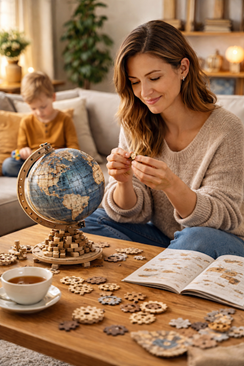
3D puzzle construction from Figured'Art engages both the mind and hands, encouraging a state of mindfulness. Unlike tasks that require multitasking or constant attention to external demands, 3D puzzle building allows individuals to concentrate fully on the present moment. This focus helps reduce mental clutter and can be soothing after a long day. Parents who set aside time for such activities may notice a calming effect, as the act of connecting pieces and following patterns provides a clear structure and rhythm. The process promotes concentration, but in a relaxed and enjoyable manner, making it a suitable pastime for anyone seeking a mental break.
Encouraging Patience and Persistence
One of the subtle benefits of working with three-dimensional puzzles is the development of patience and persistence. Completing a 3D puzzle can take time and careful thought, requiring the solver to try different approaches when pieces do not fit immediately. For parents accustomed to fast-paced decision-making and constant problem-solving, this slower, deliberate pace can be therapeutic. The gentle challenge offered by 3D puzzles allows for a sense of progression without pressure, encouraging calm persistence. Over time, this can also enhance parents' ability to approach challenges in everyday life with a more measured and patient mindset.
Fostering Creativity and Spatial Awareness
3D puzzles often involve intricate designs and various shapes, which can stimulate creativity and improve spatial reasoning skills. Assembling three-dimensional models, whether they depict architectural structures, vehicles, or abstract forms, engages visual thinking in a way that traditional two-dimensional activities may not. Parents can enjoy experimenting with how pieces fit together, imagining the completed structure, and appreciating the aesthetic of the finished model. This creative engagement provides a mental break from routine tasks and offers a sense of personal expression, even within the structured framework of the puzzle.
Promoting Relaxation Through Routine
Engaging in 3D puzzle construction can also serve as a form of routine relaxation. Setting aside regular time to work on a puzzle offers predictable, uninterrupted moments dedicated solely to oneself. This intentional practice can help parents unwind, lower stress levels, and establish a healthy pattern for managing mental well-being. Over time, these quiet intervals provide both a psychological and emotional reset, which is especially valuable when daily responsibilities feel overwhelming. The combination of repetitive motions, problem-solving, and visual engagement contributes to a gentle form of relaxation that is accessible and rewarding.
The Social and Personal Benefits of Puzzle Assembly
While 3D puzzles can be an individual activity, they also offer opportunities for shared experiences. Parents may choose to involve older children or partners in assembling a puzzle, fostering quiet collaboration and meaningful interaction. Even when completed alone, the sense of achievement that comes from finishing a challenging structure can provide personal satisfaction and a boost in mood. Educationally, these activities encourage observation, planning, and fine motor skills, offering subtle benefits beyond relaxation. Parents who incorporate puzzle building into their routine may find it a versatile tool for both personal and family engagement.
Choosing the Right Type of Puzzle
Selecting a puzzle that matches skill level and interests is important for achieving the most calming effect. Overly complex models may create frustration rather than relaxation, while overly simple ones might not provide enough engagement to capture attention fully. Many parents find satisfaction in puzzles that allow a moderate challenge while keeping the process enjoyable. Variations of these puzzles can include miniature models, mechanical structures, or architectural replicas, each offering a unique way to focus attention and promote relaxation.
Enhancing Mental Well-Being
Regular engagement with 3D puzzles can have subtle effects on mental well-being. Concentrating on the puzzle reduces exposure to stressors, allowing the mind to rest from constant multitasking and external demands. Completing sections of the puzzle provides small, measurable achievements, which can enhance a sense of competence and satisfaction. The activity also encourages sustained attention and problem-solving, both of which can sharpen cognitive functions over time. In this sense, 3D puzzle assembly acts as a practical tool for mental maintenance, combining leisure with cognitive stimulation.
Conclusion
For parents seeking a calm, focused activity, 3D puzzles offer a unique way to unwind and foster relaxation. The mindful engagement required during assembly promotes concentration and reduces mental clutter. Patience and persistence are encouraged through careful problem-solving, while creativity and spatial reasoning are enhanced through interaction with intricate designs. Routine engagement with puzzles provides dedicated time for personal reflection and mental reset, supporting overall well-being. Whether undertaken alone or in quiet collaboration with others, assembling 3D puzzles can be a rewarding and soothing activity. By integrating these practices, parents can find small yet meaningful ways to relieve stress, engage their minds, and enjoy a sense of accomplishment.