Everyday Essentials That Help Kids Explore and Grow
Childhood is full of discovery. Kids learn by doing, touching, experimenting, and imagining, so the environment around them plays a huge role in shaping how they grow. While it’s easy to think of learning tools as big investments or complicated setups, the truth is that everyday essentials can offer some of the most powerful opportunities. From simple art supplies to items that spark movement or curiosity, these basics create a foundation where exploration feels natural and fun.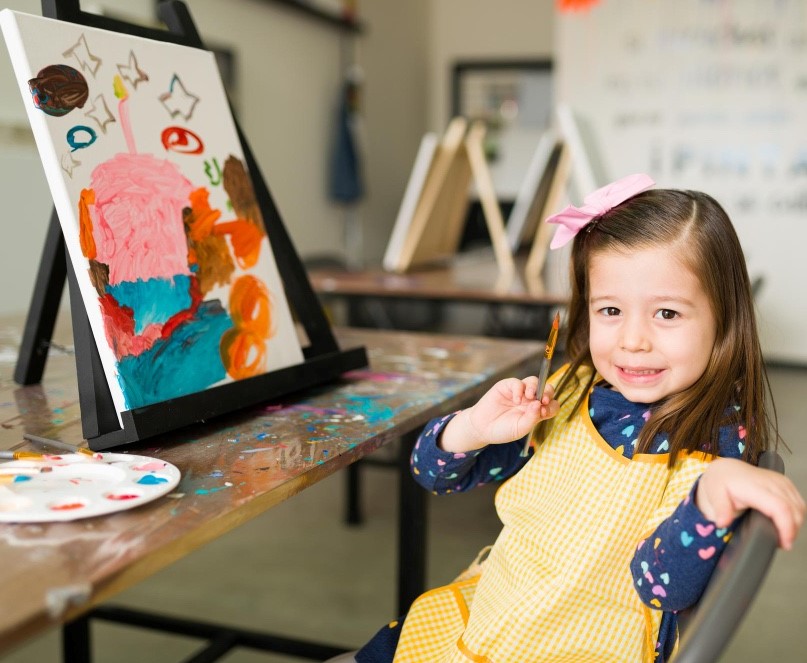
Creative Tools That Encourage Imagination
Children express themselves most freely when given creative outlets. Colourful pencils, washable paints, paper, and stickers might seem like small items, but they open up huge possibilities. Drawing and crafting let kids develop fine motor skills while also exploring emotions, ideas, and dreams. Even a spontaneous doodle session can help them build confidence and communication skills.
The goal is not to produce perfect artwork. Instead, it’s to give them permission to experiment. A stack of old magazines can become a collage project. Scrap cardboard can transform into puppets or tiny houses. These moments teach kids to solve problems, think independently, and enjoy the process rather than the result.
These activities are also powered by practical items that keep creativity flowing, such as having the right ink supplies available so kids can print colouring pages, project worksheets, or photos for their artwork. This simple tool supports endless opportunities for hands-on learning.
Learning Through Play and Movement
Movement is one of the most important ways kids develop physically and mentally. Everyday essentials such as soft balls, balance toys, jump ropes, or building blocks might appear basic, but each one teaches coordination, problem-solving, and resilience. Play that encourages movement also supports healthy brain development. It helps children practice spatial awareness, control their bodies, and build endurance in a way that feels fun and natural.
Even indoors, movement can happen with simple setups. Pillows can become stepping stones, a blanket can transform into a cape, and a cardboard box can become a spaceship. When children are free to move, build, and explore, they practice decision-making and collaboration, especially when playing with siblings or friends.
Books and Stories That Inspire Growth
Books are one of the most powerful tools in a child’s life. They introduce new worlds, new perspectives, and new ideas. Whether read aloud by a parent or discovered independently, stories help children understand emotions, develop empathy, and spark imagination. A picture book can inspire art projects, outdoor adventures, or even questions that lead to deeper conversations.
Keeping a small collection of accessible, age-appropriate books helps children naturally gravitate toward reading. Mixing fiction, fact-filled books, and sensory-heavy titles keeps learning diverse and engaging. Most importantly, making reading feel relaxed and enjoyable encourages lifelong curiosity.
Everyday Routines That Build Confidence
Growth isn’t only found in big milestones; it’s created through everyday routines. Simple habits like helping set the table, choosing their outfit, watering plants, or assisting with small household tasks teach responsibility and independence. These moments allow children to feel trusted and capable, boosting their confidence.
Children thrive when given tools that help them participate in daily life. A step stool in the bathroom, easy-to-open containers for toys, or a dedicated corner for drawing can empower them to explore their surroundings safely and confidently. When the environment works for them rather than against them, kids feel free to engage with the world around them.
Supporting Exploration in Simple Ways
Everyday essentials don’t have to be expensive or complex. What matters most is that they encourage curiosity, creativity, movement, and independence. When children have access to simple tools that support their natural desire to explore, they build a strong foundation for a lifetime of learning. The small moments, drawing a picture, reading a story, building a tower, or helping with a task, are often the ones that shape them the most.