Birthday Present Burnout: Here’s Why You Should Ditch Material Gifts
By Paloma García Aranda, Educational Psychologist and tutor at FindTutors
 With 25 million children’s toys gifted at Christmas neglected by the end of January, it's no surprise that parents are increasingly seeking alternative ways to treat their children.
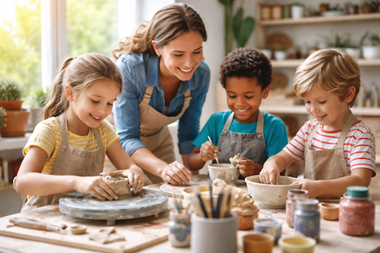
Birthdays are a perfect time to encourage experience based activities - music lessons, cooking courses, and creative workshops can inspire skills that last a lifetime. For children, such gifts spark curiosity and build confidence.
The shift to this type of celebration is grounded in solid psychological research showing that experiential gifts provide significant benefits over material items, from stronger relationships and greater gratitude to enhanced wellbeing and personal growth.
The gift fatigue phenomenon
An excess of gifts generates cognitive and emotional saturation. Children can lose the ability to make decisions, to engage deeply in play, and to value what they receive. In addition, tolerance for waiting and frustration is reduced, something that is fundamental for emotional development in early years.
The more presents children receive, the shorter the excitement lasts, creating a cycle of rapid devaluation. Too many toys leads to overstimulation, making concentration and deep play difficult, and can lead to confusion between affection and consumption, which can contribute to compensating emotions with objects.
Perhaps most concerning is how gift overload affects children's developing nervous systems. What I observe is not so much unhappiness as emotional dysregulation, more irritability, crying, tiredness or regressive behaviours. It is not that they are 'behaving worse', it is that they are overwhelmed.
Why experiences work better
Gifts based on experiences enrich children's emotional and cognitive development. Unlike toys, which often have a very intense but brief emotional impact, experiences generate anticipation, emotional connection and learning that lasts over time. They also encourage creativity, independence and bonding with the person giving the gifts, while developing real motor, creative and social skills.
Learning a new skill greatly boosts self-esteem because children see themselves as capable and in control of their own growth. Whether it's music, sports, cooking or painting, these experiences foster in children the pleasure of learning for its own sake.
Making experiences feel exciting
The key challenge for parents is making an experience feel as thrilling as unwrapping a physical toy. I recommend focusing on presentation and anticipation.
Introduce the idea weeks in advance
Introduce the idea with questions like, "What would you like to learn this year?" or "Is there something you'd like to try?" Include a map of the place, a photo of the hobby, or a small symbolic object like a guitar pick for music lessons or an apron for cooking classes. Small physical objects help it to feel special, even if it’s a print out of a voucher. Mark the start date on a calendar and prepare materials together. Excitement comes when they can imagine themselves experiencing it.
What this looks like in practice
Experience gifts don't need to be expensive or elaborate. Good options include vouchers for hobby classes, day trips to museums or nature reserves, sports activities, art workshops, or simply dedicated quality time with a family member. Choose activities that respect the child's real interests, aren't excessively directed, and allow shared time and attention.
Managing family expectations
What about pushy grandparents who insist on traditional gifts? My advice is to be clear about your approach. Children do not need perfect birthdays, they need adults who are emotionally available. Fewer gifts, less rushing, and less pressure to be constantly happy, and more calm, coherence and presence.
Explain that it's not about avoiding toys entirely, but finding a healthy balance. Share your thinking and research on how experiences can work better than an overload of gifts. Grandparents may enjoy the idea of spending quality time bonding with their family members.
Try it out and you may find that the memories created together become far more valuable than any toy gathering dust in a cupboard.