8 Ways to Choose the Right Luxury Blanket for Maximum Comfort for Kids
Picture this: your child finally crawls into bed, ready to sleep, and the second that blanket hits their skin, you know it is wrong. Too scratchy, too hot, not nearly heavy enough to feel soothing. Suddenly, they are tossing around, annoyed, instead of drifting off. You are not alone. One survey found that better bedding can improve sleep quality as much as 34 percent. The right blanket is not just a cute extra; for kids, it is core sleep gear.
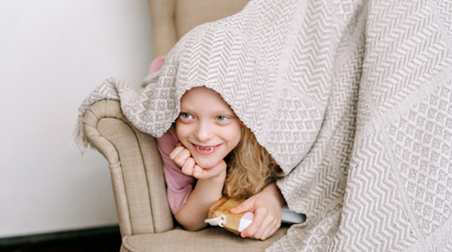
The ultimate comfort shift in 2025 for blanket buyers
In the last couple of years, comfort has gone from “nice to have” to a non‑negotiable part of wellness—even for children. Parents are treating kids’ beds more like cosy, recovery-focused spaces than just a place to crash. That shift shows up clearly when shopping for luxury blankets for kids: smart fabrics, eco labels, and feature lists that read like tech specs.
Instead of assuming a high price tag equals comfort, parents are asking harder questions about temperature control, hypoallergenic fabrics, and long-term durability. That is a good thing, but it also means you need a clear game plan. The eight steps below will help you sort the real upgrades from the fluff and land on a blanket that genuinely fits your child’s needs.
1. Master your child’s sleep profile before you shop
Every good blanket choice starts with your child’s sleep profile. Think about how they fall asleep, how often they wake up, and what usually bothers them. Are they tossing and turning, or do they like to be snug and “hugged” by their blanket?
If siblings share a room, consider individual needs. Research shows that 68 percent of couples have conflicting blanket needs; with kids, conflicting preferences are just as common. Track a week or two of sleep. Notice when they feel too hot or too cold, how much they move, and whether they prefer heavier or lighter blankets. Once you can describe their sleep in plain language, every decision that follows gets easier.
2. Understand the new materials that really matter
Blanket materials in 2025 are not just cotton versus wool anymore. You are seeing bamboo blends, smart synthetics, and ultra‑fine wools that behave very differently from the itchy blankets you might remember from your own childhood.
For children, hypoallergenic fabrics are key. Bamboo and Tencel blends are great for kids who sleep hot, since they wick moisture and feel silky-soft on sensitive skin. Fine wool can work for cold sleepers but should be gentle and breathable. For down-filled blankets, look for fill power (600+ for loft and warmth) and ensure it’s safe and non-irritating for kids.
3. Decode weight, warmth, and breathability like a pro
Getting the weight wrong can ruin a child’s sleep. Too light and it feels flimsy, too heavy and it may restrict movement or overheat. A lot of people do well starting with a blanket that is around 8 to 10 percent of body weight for a gently grounded feel.
Warmth isn’t only about thickness. Airflow through the fabric makes a massive difference. Layering lighter, breathable blankets for children can balance warmth and comfort. If your child’s room temperature swings, mix breathable materials with warmer layers, so they can peel back if needed without waking fully.
4. Get size, drape, and coverage dialed in
Size is critical for kids. A blanket that barely covers the mattress will creep up; one that is way too huge can feel messy and unsafe for toddlers. Start with your child’s mattress size, then aim for extra coverage that stays put when they move.
For siblings sharing beds or bunk beds, consider separate blankets to prevent tug-of-war. Safety and comfort come first.
5. Decide if smart features are actually useful for kids
Tech features like gentle heating, light vibration, or aromatherapy might seem fun, but they are rarely necessary for children. Focus on features that solve real problems: cold feet, sensitive skin, or allergies. Otherwise, invest in soft, breathable fabrics instead.
6. Check quality markers instead of chasing buzzwords
Words like “plush” or “hotel-style” can be misleading. For kids, thread count in the 200–400 range is ideal—soft but breathable. Check stitching, edges, and fill distribution. Certifications like OEKO‑TEX or GOTS are valuable for safety and chemical-free fabrics. These markers matter far more than marketing photos.
7. Plan for care and long-term use
Children’s blankets take a beating. Check care instructions before buying. Machine-washable fabrics or durable cotton/bamboo blends are easier to maintain than wool or cashmere. Rotating blankets for seasonal or daily use keeps them looking and feeling great longer, especially for high-end fibres.
8. Match your budget to your expectations
You can get comfort without overspending, but understanding price tiers helps. Budget options ($20–50) are often synthetic; mid-range ($50–150) offers a good mix of quality and affordability; premium ($150+) uses luxury fibers like cashmere, alpaca, or high-thread-count cotton.
For kids’ main blankets, mid-range is usually ideal. Guest rooms or occasional use can handle cheaper pieces. The key is matching expectations to price
Use this table as a quick gut check while you read product descriptions and match them back to your sleep profile and budget.
Final thoughts on choosing your perfect kids’ luxury blanket
Choosing the right blanket for children is about understanding their body, sleep patterns, and environment. Line up sleep profile, materials, weight, and size, and comfort stops being a guess. With the right blanket, kids’ beds become cozy, safe, and inviting every night.
Common Questions About Choosing a Luxury Blanket for Kids
How do I know if a blanket is breathable enough for my child?
Do a simple “hand test.” Hold the blanket a few inches from your child’s face and breathe through it for a few seconds. If the air feels restricted or your child warms up quickly, it may be too hot for overnight use. Breathable fabrics like cotton, bamboo, or Tencel are usually safest.
Is a weighted blanket always better for children?
Not always. Weighted blankets can be comforting for anxious or restless children who like gentle pressure, but they may be too heavy or warm for younger kids or those who move around a lot at night. Always check that the blanket is roughly 5–10% of your child’s body weight.
Can my child use one blanket all year?
Maybe, but most children sleep more comfortably with a light, breathable blanket for warmer months and a slightly heavier or layered blanket for colder months. Layering blankets allows you to adjust for temperature swings without your child overheating or shivering.