3 Smart Tips for Smoother Road Trips with Young Children
Road trips with young children can feel like a balancing act. You want the freedom of getting away, but you also want the journey to run smoothly without constant stops or last-minute stress.
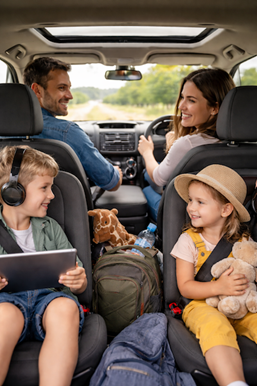
When you’re managing family life alongside work and everything else, travel needs to fit around you rather than disrupt your routine. A few thoughtful choices can make the world of a difference and help long drives feel manageable and enjoyable, while still keeping a sense of flexibility.
1. Plan Child-Friendly Stops Into Your Route
Before you set off, map your journey using a smartphone sat nav app like Google Maps. However, don’t just follow the fastest route down the motorway, as long stretches of road with no scenery can be boring for everyone. It’s important to build in stops along the way that actually work for your child, such as parks, garden centres or farm shops. Aim for a natural break point every one to two hours to give everyone a chance to stretch their legs and refresh.
Planning breaks means instead of stopping at the first random service station when everyone feels tired, you already know where you’re heading next. This step helps you stay in control of the day, rather than reacting to it, and it often makes the journey feel shorter because each stop has a purpose.
2. Review Coverage Before Setting Off
If you’re travelling in a campervan or motorhome, it’s well worth reviewing your motorhome insurance policy before you leave. Check that it reflects how you’re travelling now, especially if you’re planning longer trips or heading across to Europe.
Some providers offer specialist cover designed for this kind of travel. This step gives you peace of mind because you know support is there if something goes wrong. It also means you can truly focus on the experience and creating memories with your little ones, rather than worrying about the “what ifs”.
3. Rotate Activities Instead of Relying on Screens
Screens can help, but they work best as part of a mix. Download a few episodes from kid-friendly shows on BBC iPlayer or another platform before you leave, then alternate with books, small toys and simple games. Regular rotation will keep your child engaged without overwhelming them.
For example, you might start with a story, then move to a short programme, followed by a snack and a chat about what they can see outside. This approach spreads attention across different activities and reduces the chances of boredom or overstimulation.
Final Thoughts…
It’s easy to treat the drive as something to get through. However, when you build in structure and flexibility, the journey becomes part of the trip itself. You notice more, you feel less rushed, and your child stays more settled. By making these small adjustments, you can enjoy smoother travel and more enjoyable days out.